



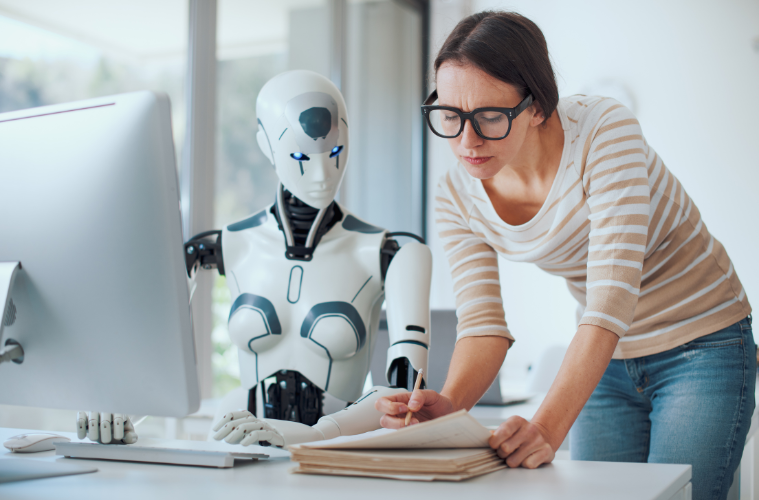
Technology in 2025 isn’t just evolving—it’s integrating quietly and powerfully into our daily routines. Instead of loud, flashy revolutions, we’re experiencing subtle shifts that change how we live, work, learn, and interact. Artificial intelligence, smart devices, and immersive digital experiences are no longer futuristic dreams; they’re woven into the fabric of everyday life. As we dive deeper into this new era, one thing is clear: the future of tech is personal, intuitive, and surprisingly human.
AI as the New Operating System of Life
Artificial intelligence has officially moved beyond being a tool—it’s now a digital companion. From scheduling our appointments to helping us learn new skills, AI assistants have transformed into adaptive, conversational systems that understand context, emotion, and nuance.
One of the biggest shifts this year is the rise of ambient AI—intelligence that works quietly in the background. It adjusts our lighting based on mood, reminds us of tasks the moment we think about them, and tailors content experiences across devices. These systems learn gently and respectfully, offering help before we even ask for it.
Spatial Computing Becomes Mainstream
A few years ago, spatial computing felt like niche tech reserved for gamers or developers. In 2025, it has found its way into classrooms, design studios, healthcare centers, and even living rooms. The mix of augmented reality (AR) and mixed reality (MR) has unlocked a new dimension of digital interaction.
Students can now walk through virtual historical events, engineers can collaborate on 3D models from different continents, and interior designers can visualize entire rooms before a single piece of furniture arrives. The line between digital and physical space is blurrier than ever—with exciting results.
The Rise of Hyper-Personal Devices
We’re moving past one-size-fits-all gadgets. Devices today adapt to users through bio-feedback, contextual awareness, and real-time customization.
Smartwatches track stress patterns as accurately as steps. Earbuds adjust sound based on your environment. Phones tailor interfaces based on your usage rhythms. Even laptops now change keyboard feedback, screen warmth, and UI layouts depending on the task at hand.
This shift signals a deeper truth: people want technology that understands them, not just connects to them.
Cybersecurity Evolves Into Digital Wellness
With digital life becoming unavoidable, cybersecurity has been reimagined. It’s no longer just about protecting data—it’s about safeguarding digital well-being. Modern security systems now blend emotional intelligence with defense.
Devices gently warn users about risky online behavior, offer privacy insights in friendly language, and provide stress-free authentication like face, voice, or presence recognition. Children’s accounts receive extra layers of protection by default, and adults are given clear dashboards to understand digital footprints.
The focus has shifted from fear to empowerment—finally making cybersecurity accessible to everyone.
Sustainable Tech Steps Into the Spotlight
2025 marks a turning point in how we think about sustainability in technology. Companies are designing products with longer lifespans, repairable components, and recycled materials. Solar-powered home tech hubs, biodegradable device casing, and energy-efficient processors are becoming mainstream.
Even software is joining the movement. “Green computing modes” help reduce background power usage, and apps now optimize energy consumption without affecting performance. The idea is simple: innovation shouldn’t come at the expense of the planet.
Connected Homes Become Emotionally Intelligent
Smart homes have matured far beyond simple voice commands. The new generation of home technology is emotionally aware—responding to mood, energy levels, and personal preferences.
Imagine arriving home after a stressful day. Your lights shift to a calming tone, your AI assistant plays soothing music, and the thermostat adjusts to your comfort. If your routine changes, your home adapts. It’s like living with a thoughtful companion who learns alongside you.
Work and Learning Go Hybrid for Good
The hybrid revolution continues to accelerate. Tools for remote work, virtual collaboration, and online learning have become more immersive and seamless. AI-powered note-taking, auto-summaries, real-time translation, and intelligent scheduling help reduce the mental overload of multitasking.
Employees and students now enjoy flexibility without sacrificing productivity, thanks to tools designed to work with human behavior, not against it.
The Future Is Quiet, Smart, and Human
What stands out most about 2025 tech isn’t its complexity—it’s its calmness. Technology has become softer, more intuitive, and more human-centric. Instead of demanding our attention, it enhances our lives quietly in the background.
The future isn’t loud.
It’s thoughtful.
It’s personalized.
It’s deeply integrated into everyday moments in ways that feel natural and empowering.
And this is just the beginning.
