



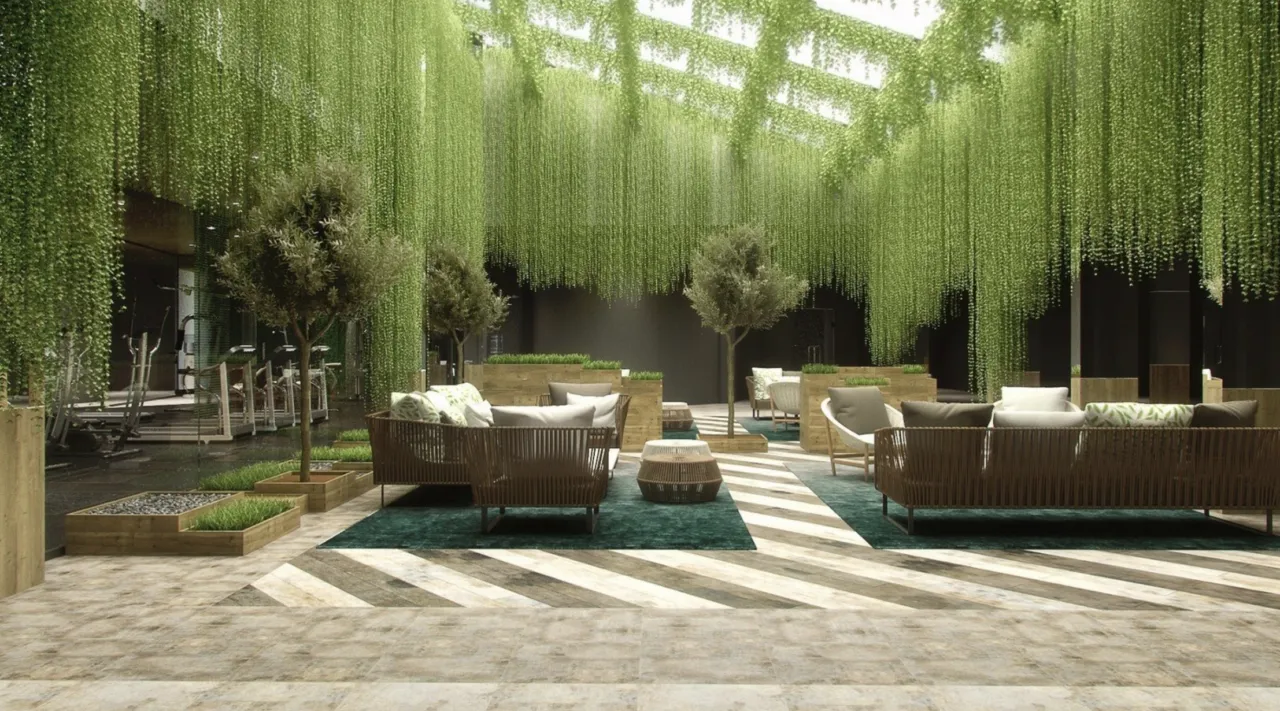
In today’s fast-paced, screen-filled lives, many of us crave connection — not just with people, but with nature. That’s where biophilic design steps in — a growing trend in home décor that blends natural elements into living spaces to create environments that are calming, restorative, and alive.
Rooted in the idea that humans have an innate bond with the natural world, biophilic design isn’t just about adding a few plants. It’s about reimagining the home as a living ecosystem — one that breathes, evolves, and inspires.
Here’s how you can bring the serenity and balance of nature indoors — beautifully and meaningfully.
1. Start with Natural Light
Natural light is the foundation of biophilic design. It enhances mood, reduces stress, and visually expands any space.
Maximize sunlight by keeping windows unobstructed and replacing heavy curtains with sheer fabrics or bamboo blinds. If possible, rearrange your layout to let daylight flood key living areas — such as positioning a reading chair by a sunny window or moving your workspace closer to natural light.

Mirrors are your best allies — strategically placed, they reflect light and create the illusion of more space. A large mirror opposite a window can double the brightness in any room.
If natural light is limited, simulate it with warm-toned LED bulbs that mimic daylight and reduce harsh shadows.
2. Bring Greenery to Life
Plants are the most obvious — and delightful — expression of biophilic design. They purify air, reduce anxiety, and soften modern interiors.
Choose a mix of sizes and textures: tall fiddle-leaf figs or bird of paradise plants for statement corners, trailing pothos for shelves, and succulents for workspaces.
Group plants in odd numbers and mix leaf shapes to create natural variation. If you have limited time, go for low-maintenance varieties like snake plants, ZZ plants, or peace lilies.
For smaller spaces, vertical gardens, hanging pots, or wall-mounted planters make it easy to incorporate greenery without cluttering surfaces.
3. Earth-Inspired Materials
One of the most beautiful aspects of biophilic décor is the use of natural materials. Wood, stone, clay, linen, and rattan instantly add warmth and authenticity.
Opt for wooden furniture with visible grain, woven textures in baskets or rugs, and ceramic vases instead of synthetic alternatives. Even simple additions — like a jute runner or linen curtains — can transform a sterile space into a soulful one.
When choosing finishes, lean toward matte and organic textures rather than glossy or polished surfaces. The imperfections of nature — uneven wood knots or raw stone edges — bring character and honesty to a home.
4. A Palette from the Outdoors
Nature’s color palette is inherently soothing. Think forest greens, soft browns, sky blues, sand tones, and gentle whites.
Walls painted in muted earthy shades create calm, while natural accents — such as terracotta planters or green cushions — infuse vibrancy. Layer neutral backgrounds with pops of botanical hues to balance energy and tranquility.
Consider also how color transitions between rooms. A cohesive, nature-inspired palette across spaces feels seamless and inviting.
5. The Sound and Scent of Nature
A truly biophilic home appeals to all the senses.
Add soundscapes that mimic nature — soft rain, birdsong, or flowing water — to create a soothing background in meditation corners or reading spaces. If possible, incorporate a tabletop fountain or an aquarium to introduce real water movement and sound.
Scent is equally powerful. Fresh eucalyptus, lavender, or rosemary add organic fragrance. Use essential oils, beeswax candles, or fresh herbs instead of synthetic air fresheners for a more authentic feel.
6. Outdoor-Inspired Design Elements
Bring the outdoors in by blurring boundaries between inside and outside spaces.
Large windows, sliding glass doors, and indoor-outdoor patios help merge the two environments. If you have a balcony or terrace, decorate it as an extension of your home — add soft seating, lanterns, and greenery for an inviting mini oasis.
Textures such as pebble flooring in bathrooms, woven light fixtures, or stone accents on walls can also evoke the feeling of being close to nature even when indoors.
7. Mindful Minimalism
Biophilic design thrives in uncluttered environments. Nature doesn’t rush or crowd — and neither should your space.

Keep surfaces clean, use multifunctional furniture, and leave room for breathing space. Let nature-inspired elements be the focal point, not overwhelmed by excess décor.
This calm approach not only enhances visual flow but also supports mental clarity — turning your home into a true retreat from the digital and urban chaos.
The Wellness Within Your Walls
Biophilic design isn’t a passing trend — it’s a lifestyle. It invites you to slow down, breathe deeply, and reconnect with the natural rhythms that nurture your well-being.
By embracing sunlight, greenery, natural materials, and organic flow, your home becomes more than a beautiful space — it becomes a living, breathing sanctuary.
Because when you bring nature indoors, you don’t just decorate a home — you restore the soul within it.
